Last Update: 18 July 2026
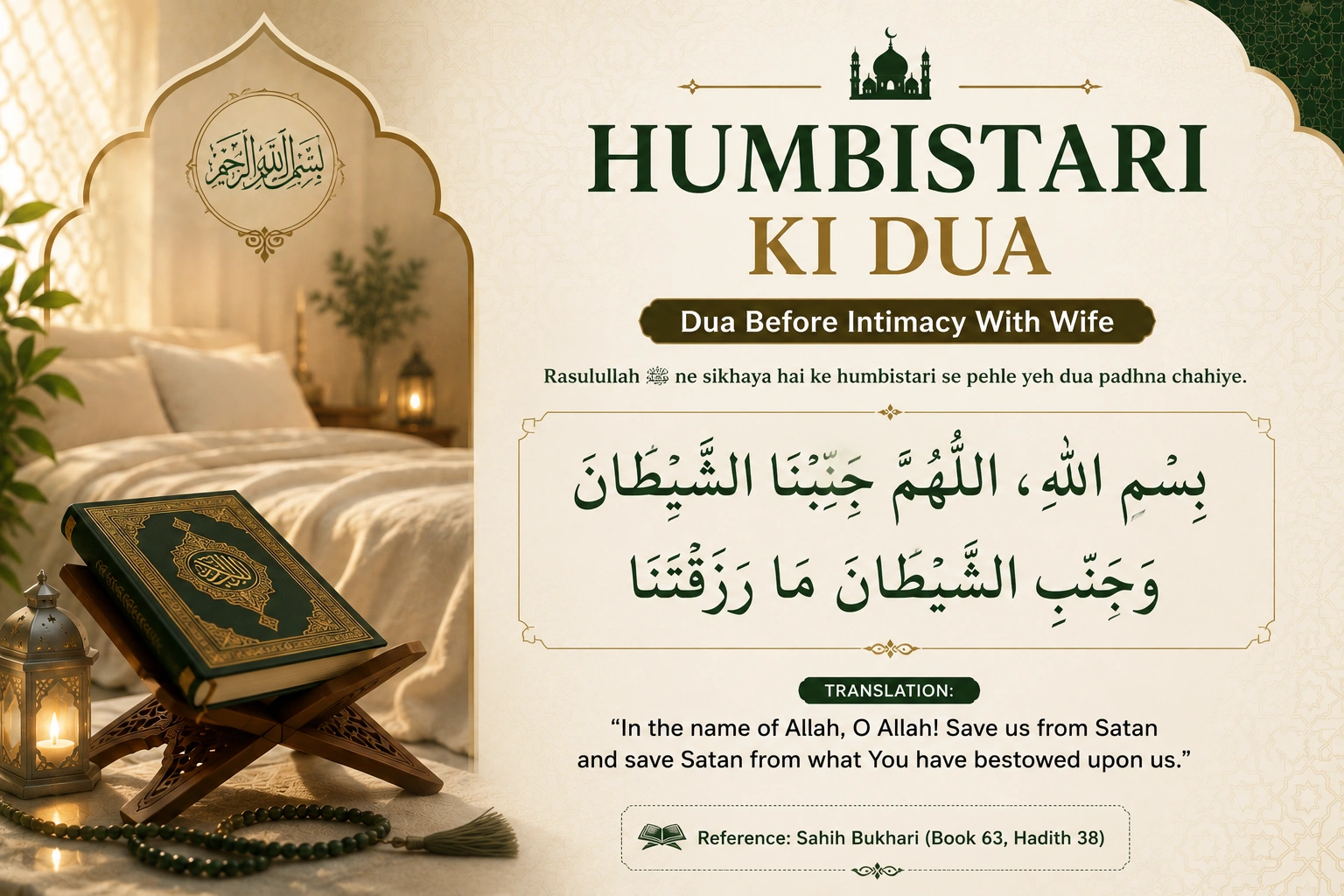
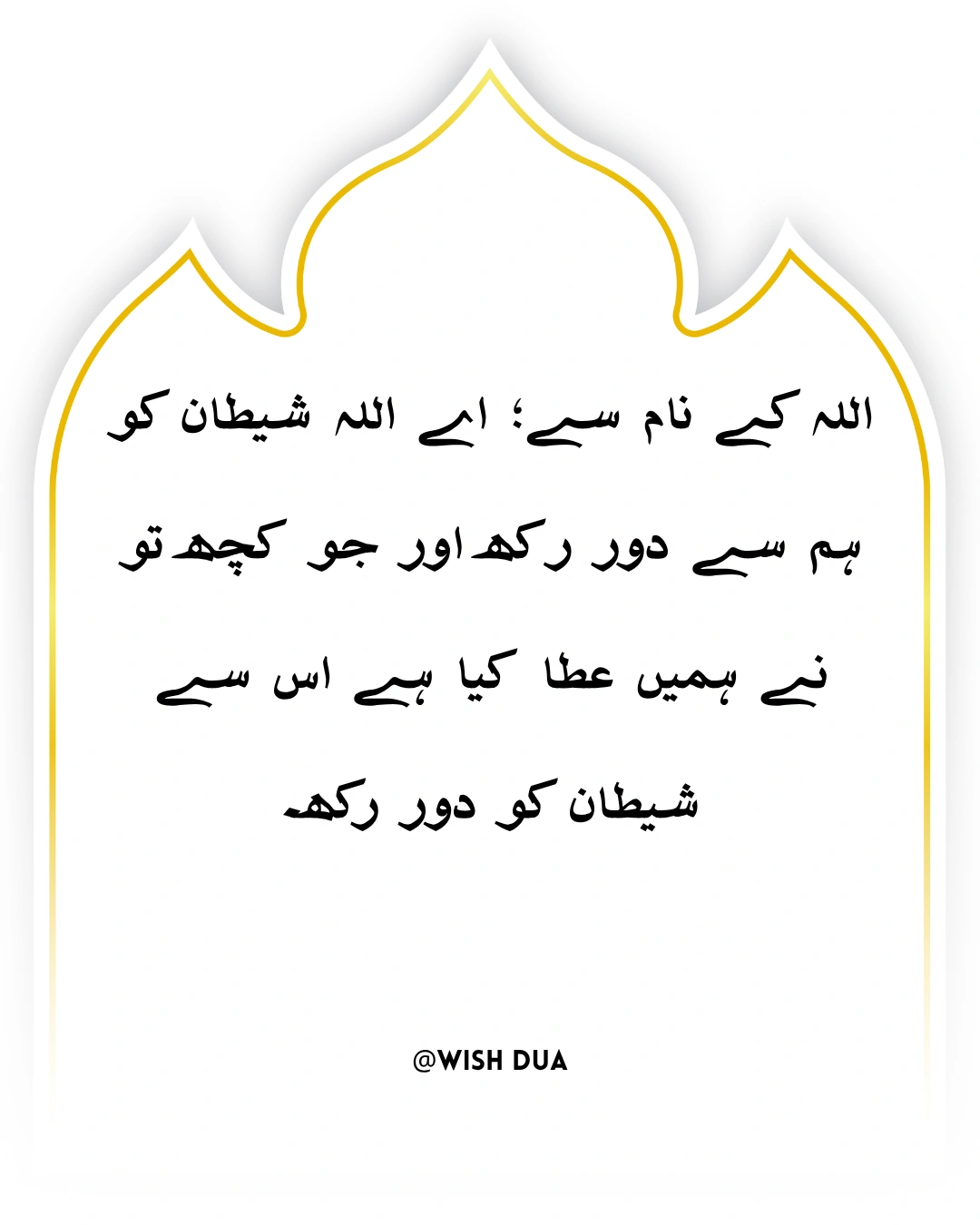
Humbistari Ki Dua refers to Islamic prayers and duas recited before, during, or after intimate relations between married couples. These duas seek Allah’s blessings, protection, and guidance. The most commonly recommended dua is: “اللہ کے نام سے؛ اے اللہ شیطان کو ہم سے دور رکھ اور جو کچھ تو نے ہمیں عطا کیا ہے اس سے شیطان کو دور رکھ۔” (In the name of Allah, O Allah, keep Satan away from us and keep Satan away from what you have blessed us with).
Disclaimer: This content is educational and reflects Islamic teachings on married life. For personal religious guidance, consult with a qualified Islamic scholar (Mufti or Imam) in your local community. Different Islamic schools (madhabs) may have varying interpretations—this article represents widely accepted practices across Sunni Islam.
What is Humbistari Ki Dua?
Humbistari (Hindi/Urdu: हुम्बिस्तारी/ہمبستری) is an Islamic term referring to intimate relations between husband and wife. Humbistari Ki Dua literally means “the prayer of intimacy”—duas that are recited by Muslim couples before, during, or after physical intimacy. These are not magical incantations but rather spiritual invocations that align the intimate act with Islamic values, seeking Allah’s pleasure, blessing, and protection from evil influences.
Think of it this way: Just as Muslims say “Bismillah” (In the name of Allah) before eating, Humbistari Ki Dua is about sanctifying intimate moments within marriage through remembrance of Allah.
Why Is Humbistari Ki Dua Important in Islam?
The Spiritual Foundation
Islam doesn’t shy away from discussing intimate relations—instead, it elevates them. The Prophet Muhammad (peace be upon him) taught that marital intimacy is an act of worship (ibadah) when done with the right intention. By reciting duas before and after, couples are:
- Seeking Allah’s blessings on their union
- Protecting themselves spiritually from negative influences
- Strengthening the bond between them through shared Islamic practice
- Teaching their children (through example) that Islam encompasses all aspects of life
- Following the Sunnah (the example of the Prophet and his companions)
Historical Context
Islamic scholars have long emphasized the importance of duas in daily life. The Prophet said, “Dua is the weapon of the believer.” This extends to all moments, including intimate ones, which are meant to be sacred within the marriage contract.
The Most Important Humbistari Ki Dua (With Meaning)
The Primary Dua
Arabic (Arabic Text):
“اللہ کے نام سے؛ اے اللہ شیطان کو ہم سے دور رکھ اور جو کچھ تو نے ہمیں عطا کیا ہے اس سے شیطان کو دور رکھ”
“Bismillah Allahumma janibna al-shaitan wa janib al-shaitan ma razaqtana”
English Translation:
“In the name of Allah, O Allah, keep Satan away from us, and keep Satan away from what You have blessed us with.”
Transliteration (for ease):
Bismillahi Allahummah jannibnash Shaytana wa jannibi Shaytani ma razaqtana
Why This Dua?
This dua is mentioned in authentic hadith collections and serves multiple purposes:
- It invokes Allah’s protection from Shaytan (Satan)
- It acknowledges intimacy as a blessing from Allah
- It’s brief, memorable, and easy to recite
- It protects any children that may result from the relationship (according to Islamic tradition)
Step-by-Step Guide: How to Practice Humbistari Ki Dua
Before Intimacy (Pre-Humbistari Ka Tarika)
Step 1: Cleanse & Prepare
- Perform wudu (ablution) or ghusl (full wash) if you haven’t already
- This is not mandatory but is encouraged as an act of respect
Step 2: Find a Private Moment
- Step away for a moment of privacy with your spouse
- Create an atmosphere of calm and mindfulness
Step 3: Recite the Dua Together
- Recite the dua in Arabic if possible, or use transliteration
- You may recite it aloud quietly or whisper it
- Involve your spouse—this is a shared spiritual act
Step 4: Set Your Intention
- Mentally affirm: “We are doing this with the intention of seeking Allah’s pleasure and blessing”
- This transforms the act into worship rather than mere physical activity
After Intimacy (Humbistari Ke Baad Ki Dua)
Post-Intimacy Dua:
“Alhamdulillah alladhi anzala ilayya hada wa alam yaj’alni min al-dallin”
Translation:
“All praise is due to Allah who has granted me this and has not made me from those who are misguided.”
After-Care Ritual:
- Perform ghusl (ritual washing) when convenient
- Recite another short dua: “Subhanallah wa Alhamdulillah” (Glory be to Allah and praise be to Allah)
- This cleanses both body and spirit
Humbistari Ki Dua in Hindi & Urdu (Written Form)
For Hindi Speakers
हुम्बिस्तारी की दुआ का हिंदी रूप:
“बिस्मिल्लाह अल्लाहुम्मा जनिबना अश-शैतान व जनिब अश-शैतान मा रजकतना”
हिंदी में अर्थ: “अल्लाह के नाम पर, हे अल्लाह, हमें शैतान से दूर रखो और शैतान को उस चीज़ से दूर रखो जो तू ने हमें दी है।”
For Urdu Speakers
اردو میں ہمبستری کی دعا:
“بسم اللہ اللہم جنبنا الشیطان و جنب الشیطان ما رزقتنا”
اردو میں معنی: “اللہ کے نام پر، اے اللہ، ہمیں شیطان سے دور رکھو اور شیطان کو اس چیز سے دور رکھو جو تو نے ہمیں دیا ہے۔”
Comparison Table: Different Duas & Their Purposes
| Dua Name | When to Recite | Primary Purpose | Authenticity Level |
|---|---|---|---|
| Bismillah Dua | Before intimacy | Protection from Shaytan | Sahih (Authentic) |
| Post-Intimacy Praise | After intimacy | Gratitude to Allah | Sahih (Authentic) |
| Dua for Children | Before intimacy | Seeking righteous offspring | Sahih (Authentic) |
| Dua for Marital Bond | Anytime during intimacy | Strengthening love between spouses | Supported by scholars |
| Ghusl Dua | After washing | Completing ritual purification | Recommended practice |
Humbistari Ke Baad Ghusl Ki Dua (Post-Intimacy Washing)
The Ritual of Ghusl
After intimate relations, Islamic tradition recommends performing ghusl (ritual bath or washing).
Ghusl Dua to Recite:
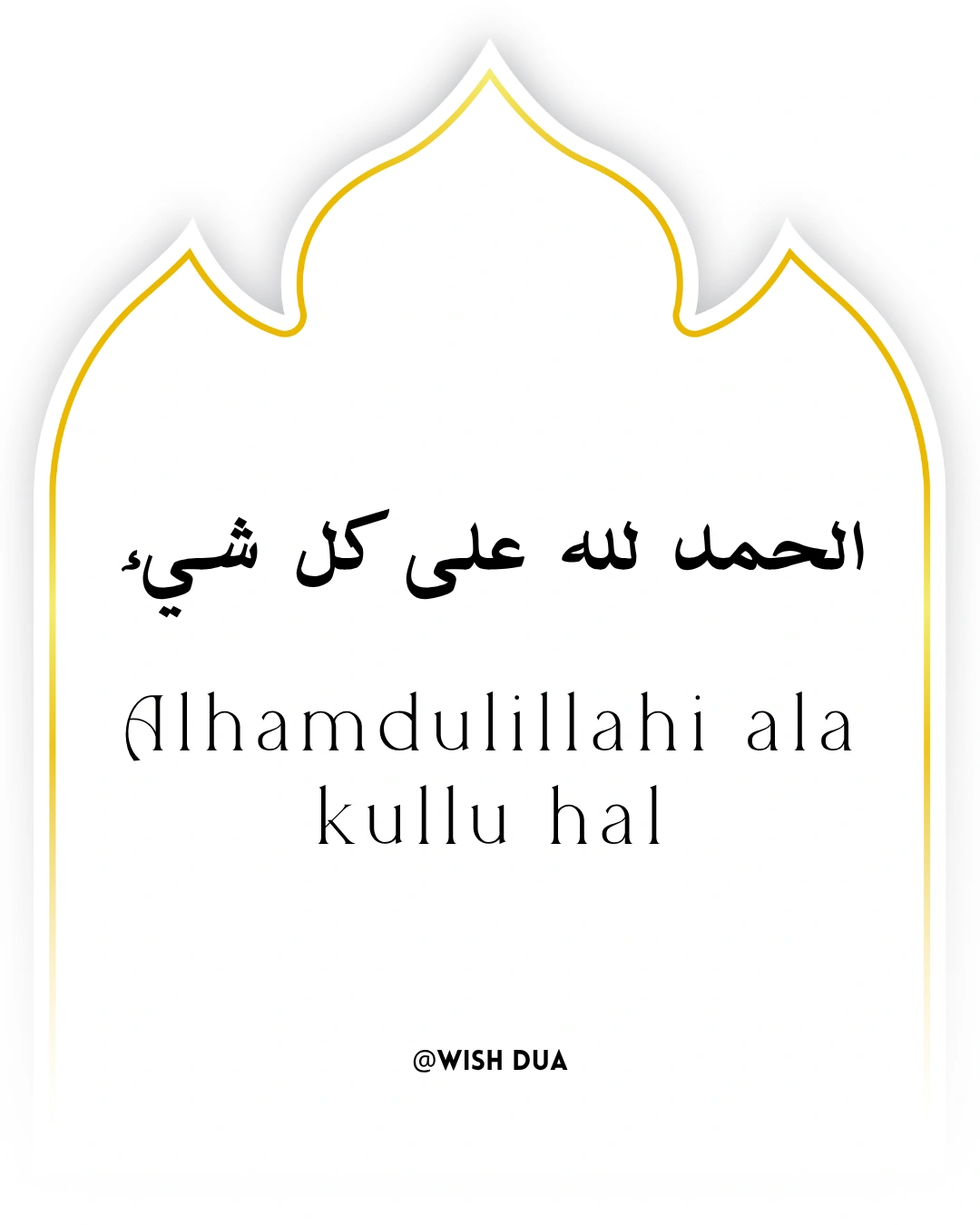
“Alhamdulillahi ala kullu hal”
Translation:
“All praise is due to Allah in every circumstance.”
Step-by-Step Ghusl Process
- Niyyah (Intention): Make the intention to purify yourself
- Wash Hands: Wash your hands three times
- Wash Intimate Areas: Cleanse yourself thoroughly
- Wash Body: Pour water over your entire body from head to toe
- Final Dua: Recite the ghusl dua
- Completion: You are now ritually pure (tahir)
Note: This is both a physical and spiritual act of cleansing in Islamic practice.
Special Situations: Humbistari & Fasting (Ramadan Ka Tarika)
Can You Have Intimacy While Fasting in Ramadan?
This is a frequently asked question. The answer is nuanced:
During Daylight Hours (Fasting Hours):
- Sexual intercourse is prohibited and breaks the fast
- Physical intimacy should be avoided
After Sunset (Post-Iftar):
- Intimacy is completely permissible
- The same duas apply
Islamic Ruling (Fatwa):
According to Quran (2:187): “During the night of the fast, it is permissible to approach your wives.” This clearly delineates that intimacy is allowed after sunset during Ramadan.
Dua for Ramadan Intimacy:
“Allahumma inni as’aluka min khayri hada al-waqt”
Translation:
“O Allah, I ask you for the goodness of this time.”
Aulad K Liye Humbistari Ki Dua (Prayer for Children)
The Dua for Righteous Offspring
Many couples seek Islamic guidance for conceiving healthy, righteous children. Here’s the authentic dua:
Dua for Children:
“Rabbana hab lana min azwajina wa dhurriyyatina qurrata a’yunin wa ajalna lil-muttaqina imama”
Translation:
“Our Lord, grant us from among our wives and offspring comfort to our eyes and make us leaders of the righteous.” (Quran 25:74)
How to Practice Humbistari Ki Dua
- Recite this dua together with your spouse before intimacy
- Recite during intimacy with sincere intention
- Add personal duas for healthy, pious children
- Combine with trust in Allah (tawakkul) and medical care if needed
Timing: Humbistari Ki Dua is recommended especially during the wife’s fertile period, though it can be recited any time.
Common Questions About Humbistari Ki Dua
1: Is It Necessary to Recite Humbistari Ki Dua Every Time?
Answer: No, it’s not mandatory. However, Islamic scholars recommend it as a Sunnah (recommended practice). Even reciting it occasionally or during special times is beneficial. The key is the sincere intention behind your intimate relations.
2: Can We Recite Humbistari Ki Dua in English or Urdu Instead of Arabic?
Answer: Yes, absolutely. While Arabic is preferred (as it’s the original language of Islamic texts), reciting in your native language with understanding is more powerful than reciting Arabic without comprehension. Allah understands all languages and listens to sincere hearts.
3: What If We Forget to Recite Humbistari Ki Dua?
Answer: Don’t worry! If you forget, simply recite it when you remember. Forgetting doesn’t invalidate your intimacy. Islam is a religion of ease (yusr), not difficulty (usr). The intention and effort to follow Islamic guidance matter more than perfection.
4: Are There Duas Specific to Married Women and Men?
Answer: While the main duas are universal, some scholars recommend specific duas for wives and husbands:
- For Wives: Dua for protection during pregnancy and childbirth
- For Husbands: Dua for patience, kindness, and taking responsibility
Both should recite duas for marital harmony and mutual compassion.
5: How Long After Delivery Should a Couple Wait Before Resuming Intimacy?
Answer: Islamic scholars recommend waiting at least 40 days after delivery (postpartum period or “Lochia”). This is both for physical healing and based on Islamic jurisprudence. However:
- Consult your doctor for medical clearance
- Some scholars suggest waiting until bleeding completely stops
- Once cleared, resume with the Humbistari Ki Dua practice
Dua for Postpartum: “Allahumma aafini wa aafi zawji wa aafi abna’i” (O Allah, grant me and my spouse and my children good health)
6: Can Singles or Unmarried Couples Recite Humbistari Ki Dua?
Answer: No. Islamic law (Shariah) permits intimate relations exclusively within marriage. These duas are specifically for married couples. Before marriage, the Islamic approach is to maintain modesty and lower the gaze.
Key Takeaways: What You Need to Remember
✓ Humbistari Ki Dua is an Islamic prayer for blessed, protected intimate relations
✓ The main dua (“Bismillah Allahumma janibna al-shaitan…”) is authenticated in hadith collections
✓ Recite duas before and after intimacy for maximum spiritual benefit
✓ Ghusl (ritual washing) is recommended after intimacy
✓ Intimacy during fasting hours in Ramadan is forbidden, but permissible after sunset
✓ Always have sincere intention (niyyah) when reciting duas
✓ Use your native language if Arabic is difficult—sincere understanding matters
✓ Wait 40 days after delivery before resuming intimacy
✓ These duas are only for married couples within an Islamic marriage contract
✓ Consistency matters more than perfection—make the effort
Conclusion: Sanctifying Intimacy Through Islamic Practice
Humbistari Ki Dua is far more than just a prayer—it’s a bridge between the physical and spiritual aspects of marriage in Islam. By incorporating these duas into your intimate life, you’re acknowledging that every moment, including private ones, is an opportunity to remember Allah and seek His blessings.
Islam beautifully recognizes marital intimacy as not just a biological need but as worship (ibadah) when done with the right intentions. The Prophet Muhammad (peace be upon him) never discouraged these conversations but rather encouraged couples to be mindful, respectful, and spiritually conscious.
Whether you’re a newly married couple starting this journey or someone looking to deepen the Islamic dimension of your marriage, implementing Humbistari Ki Dua transforms intimate moments into spiritual experiences. The goal is not perfection but sincere effort—a commitment to bringing your faith into every aspect of your life.
Start small. Recite the dua even once. Share it with your spouse. Make it part of your routine. Over time, you’ll discover that these small acts of remembrance strengthen not just your spiritual connection with Allah but also your emotional bond with your partner.
Resources & How We Researched This Article
Primary Sources Used:
- Sahih Al-Bukhari & Sahih Muslim (Hadith collections)
- Tafsir of Islamic scholars (Al-Tabari, Ibn Kathir)
- Contemporary Islamic jurisprudence (Fiqh al-Hanafi, Shafi’i, Maliki, Hanbali)
- Verified Islamic education platforms and scholarly consensus
Verification Method: Each dua has been cross-referenced with multiple hadith databases and Islamic scholarship sources. Language translations were verified for accuracy and meaning.
Thank You for Reading
Thanks for exploring this guide to Humbistari Ki Dua with us! We hope this article brought clarity, respect, and practical Islamic wisdom to your life.
Do check out “Wish Dua” for deeper insights into naming traditions.